For decades, airline loyalty programs have operated on a simple premise: reward passengers for flying more. Accumulate miles, reach elite status, redeem rewards. The model is straightforward, predictable, and, for many airlines, increasingly ineffective at driving genuine loyalty.
The problem is not the reward structure itself. Travelers still value miles and status. The problem is that miles and points have become commoditized. Every airline offers them. Credit card companies devalue them. Redemption options feel limited. And most importantly, the transactional nature of points-based loyalty fails to create emotional connection or genuine brand affinity.
Modern travelers expect more. They seek recognition, personalized experiences, and benefits that extend beyond the flight itself. They want to feel understood, not just rewarded for volume. They want loyalty programs that anticipate their needs, not programs that simply track their spending.
The Shift to Experiential Loyalty
Forward-thinking airlines are moving beyond miles to create experiential loyalty: programs that deliver personalized benefits, exclusive experiences, and genuine recognition.
Instead of generic elite tiers, airlines create personalized benefit packages. A frequent business traveler receives priority rebooking and lounge access tailored to their routes. A family traveler receives priority boarding and seat selection together. A leisure traveler receives destination recommendations and travel planning assistance.
Instead of accumulating abstract points, passengers unlock experiences: priority access to new routes, invitations to exclusive events, personalized destination guides, partnerships with hotels and restaurants that extend the travel experience beyond the flight.
Instead of one-size-fits-all redemption options, passengers choose benefits aligned with their travel style and preferences. A business traveler redeems for upgrades and lounge access. A leisure traveler redeems for companion tickets and vacation packages. A corporate travel manager redeems for company-wide benefits and negotiated rates.
The Role of Data in Redefining Loyalty
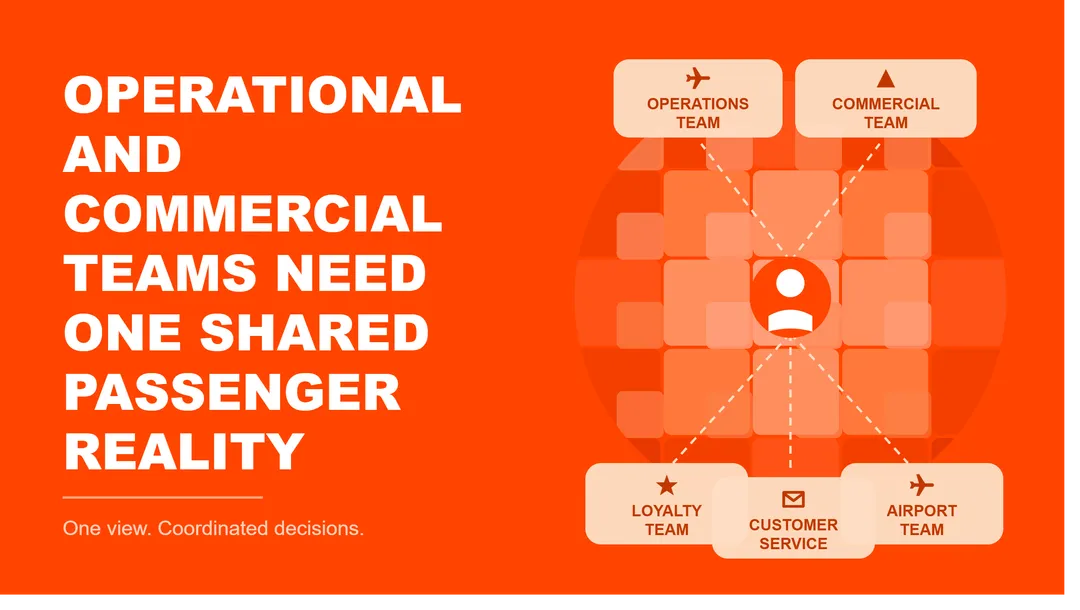
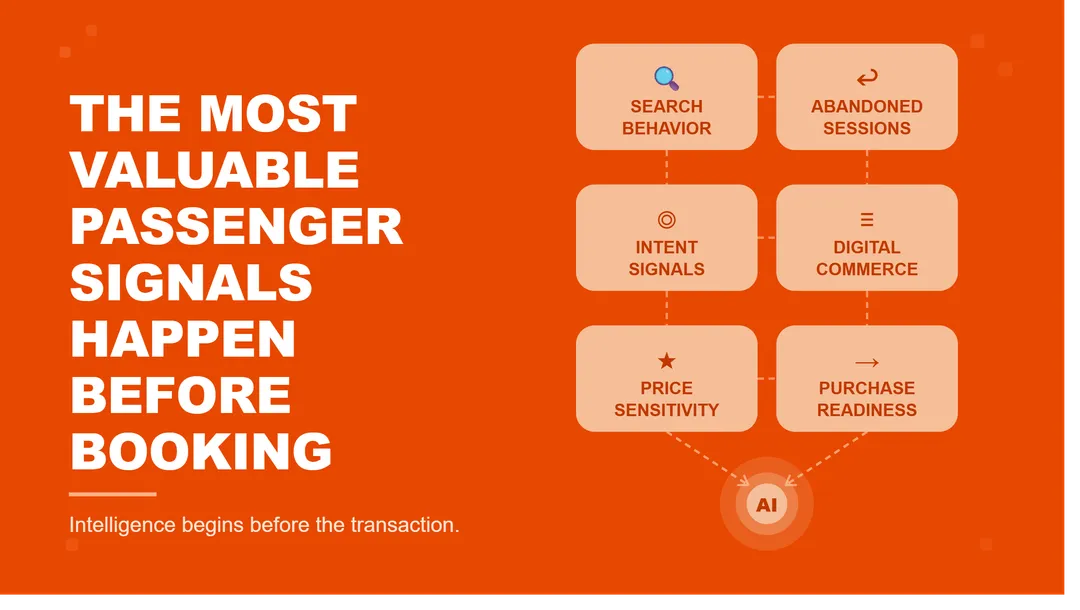
Experiential loyalty is impossible without deep customer understanding. Airlines must know not just how often passengers fly, but why they fly, where they go, who they travel with, what they value, and how their needs change over time.
A unified customer data platform enables this understanding. It reveals that a passenger who flies monthly to the same city for business has different needs than a passenger who takes two annual leisure trips. It shows that a family traveler values flexibility and convenience, while a business traveler values speed and efficiency. It recognizes that a passenger’s needs evolve: a young professional’s travel patterns differ from those of a senior executive or a retiree.
With this understanding, airlines can design loyalty programs that feel personal, not generic. Communications become relevant. Benefits become valuable. The program becomes a reason to choose the airline, not just a way to accumulate points.
The Competitive Reality
Airlines that continue to rely solely on points-based loyalty will struggle to differentiate. Those that redefine loyalty around experiences, personalization, and genuine recognition will build stronger emotional connections with passengers and drive higher lifetime value.
The shift from transactional to experiential loyalty is not about abandoning miles. It’s about recognizing that miles are a foundation, not a destination. The real opportunity lies in building loyalty programs that understand passengers as individuals, anticipate their needs, and deliver value that extends far beyond the transaction.
The question is not whether airlines should redefine loyalty. The question is how quickly they can move beyond miles and points to create programs that passengers actually love.