For decades, airlines competed on price, routes, and schedule. Today, those factors remain important, but they are no longer sufficient. Passengers increasingly evaluate airlines based on the quality of their entire experience, from the relevance of pre-flight communications to the intuitiveness of the booking process. In an industry where product differentiation is increasingly difficult, real-time personalization has emerged as the defining competitive advantage.
Real-time personalization means delivering the right message, offer, or service at the precise moment the customer needs it. A passenger checking in online sees seat upgrade options based on their historical preferences. A customer receives a proactive rebooking notification when a delay is detected, before they even realize there’s a problem. A frequent flyer gets a lounge access offer at the exact moment they’re most likely to use it. These are not generic communications sent to broad segments. They are contextual, timely, and relevant to each individual.
Why Real-Time Matters
Passengers have been conditioned by Amazon, Netflix, and Spotify to expect personalized experiences. They see recommendations tailored to their interests and offers timed to their behavior. When they interact with an airline, they expect the same level of intelligence. Generic, one-size-fits-all communications feel outdated and disrespectful of their time.
The competitive pressure is real. Airlines that send irrelevant offers see declining engagement, lower conversion rates, and reduced satisfaction. Airlines that master real-time personalization capture disproportionate ancillary revenue, build stronger loyalty, and create experiences passengers want to share.
Real-time personalization also addresses a critical problem: information overload. Passengers are bombarded with hundreds of irrelevant promotional emails and offers. They tune out and develop negative associations with the brand. When passengers receive only messages they care about, at moments when they’re most receptive, they actually pay attention.
The Technical Foundation
Real-time personalization requires a unified customer data infrastructure that:
Consolidates all customer data: from booking history and loyalty status to behavioral signals and service interactions, all under a single identity.
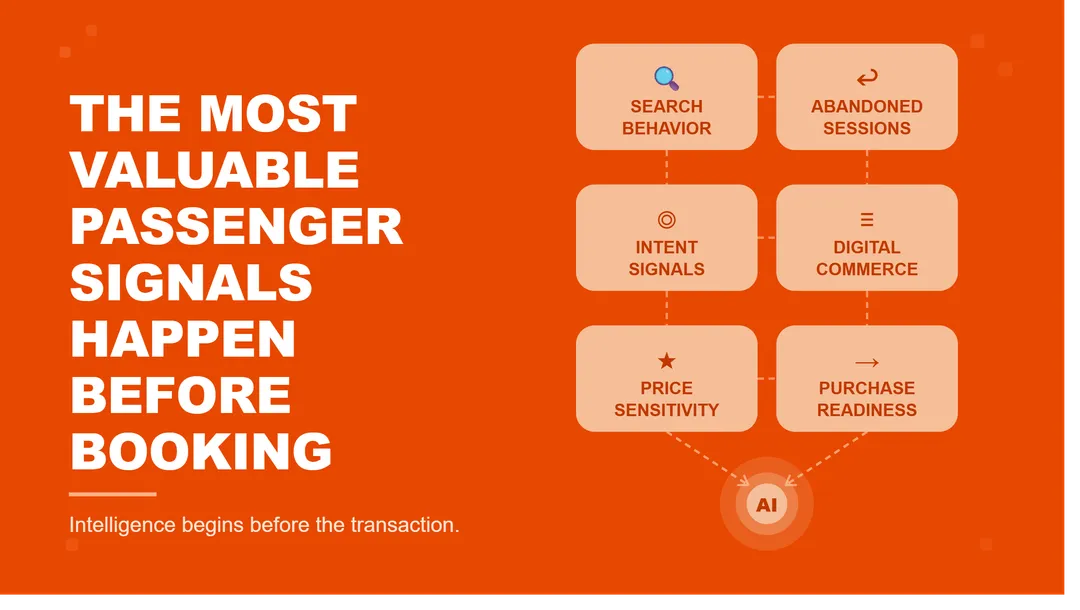
Processes data in real-time: recognizing when a customer checks in or views a flight and instantly activating relevant offers.
Understands trip context: knowing the passenger’s route, fare type, booking composition, and flight status to determine what message is most relevant.
Activates across channels: delivering consistent personalized experiences across website, mobile app, email, SMS, and airport touchpoints.
Adapts dynamically: changing offers when trip conditions change, ensuring communications always reflect the current situation.
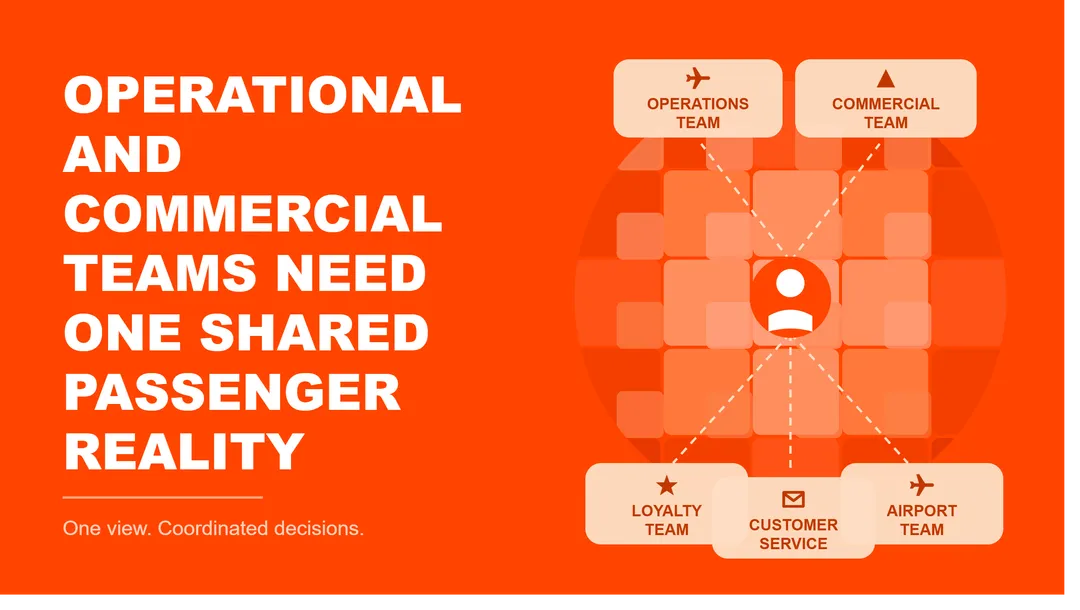
Traditional CRM systems were not designed for this. They are built around contacts and campaigns, not around understanding and responding to individual passenger behavior in the moment. A specialized CDP designed for airlines bridges this gap by treating the trip, not the contact, as the unit of management.
From Competitive Advantage to Competitive Necessity
Airlines that implement real-time personalization experience measurable improvements in conversion rates, ancillary revenue, and customer satisfaction. But the real advantage is not in these metrics. It’s in the shift from reactive to predictive operations.
When an airline understands what each passenger needs before they ask for it, the entire relationship changes. Support becomes proactive. Offers become relevant. Communications become valuable. Passengers stop ignoring messages and start trusting the brand. This is not just better marketing. It’s a fundamentally different way of operating.
The airlines that delay this transition will find themselves competing on price alone. Those that move now will compete on experience, loyalty, and lifetime value. In travel, that difference is everything.