
Airlines generate billions from ancillary revenue: seat upgrades, baggage fees, meal packages, and lounge access. Yet many carriers struggle to maximize this potential. The problem is not market demand or pricing strategy. Passengers still value these services. The real culprit is poor data quality that prevents the right offer from reaching the right passenger at the right moment.
When customer data is fragmented, outdated, or inconsistent across systems, the ancillary sales engine operates blindly. Marketing teams send irrelevant offers to wrong passengers. Revenue management systems lack the complete customer context needed to optimize pricing. Sales agents cannot see what a customer has already purchased, leading to redundant offers and wasted opportunities. The result is a cascade of missed revenue that compounds across millions of passengers annually.
The Financial Impact of Fragmentation
Consider the economics. An airline with 50 million annual passengers generating $15 per passenger in ancillary revenue earns $750 million. If poor data quality reduces conversion rates by just 10%, that’s $75 million in lost revenue: money left on the table because the right offer never reached the right customer.
The problem extends beyond missed sales. Poor data quality drives negative customer experiences that erode future revenue. A passenger receiving the same seat upgrade offer three times feels annoyed, not valued. A business traveler pitched a family vacation package feels misunderstood. These friction points don’t just fail to generate revenue; they damage relationships and reduce future ancillary purchases.
Poor data quality also increases operational costs. When campaigns target wrong segments, conversion rates plummet and cost-per-acquisition skyrockets. When customer service agents lack complete data, they spend more time searching than selling. When revenue management systems work with incomplete datasets, pricing decisions become suboptimal.
Where Data Quality Breaks Down
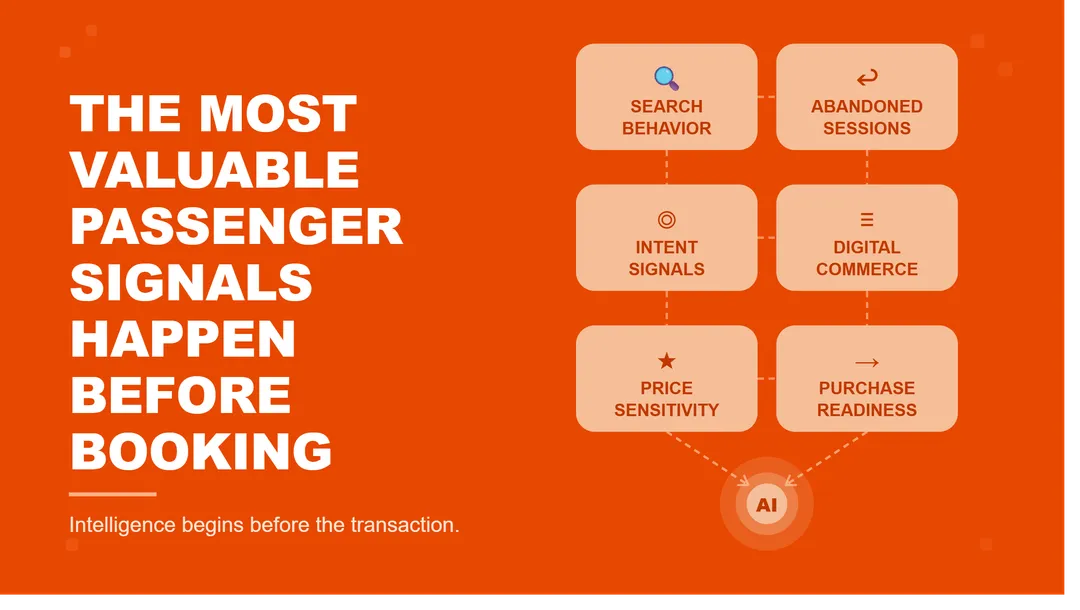
Booking System Silos: A passenger books on the airline’s website, but browsing behavior and price sensitivity never connect to the ancillary sales system.
Channel Fragmentation: A customer books through a travel agency or corporate travel manager. The airline receives only the booking record (name, dates, route) but lacks visibility into the customer’s profile or history.
Incomplete Profiles: A customer’s profile might show flight history but not baggage preferences, loyalty tier but not service recovery history, email but not mobile number.
Real-Time Data Lag: By the time ancillary systems receive data, it is stale. Preferences change, but if the data warehouse updates only nightly or weekly, the sales engine always works with yesterday’s information.
Inconsistent Identifiers: Different systems use different customer identifiers (email, booking reference, frequent flyer number), preventing recognition of the same person across systems.
The Solution: Unified Customer Data
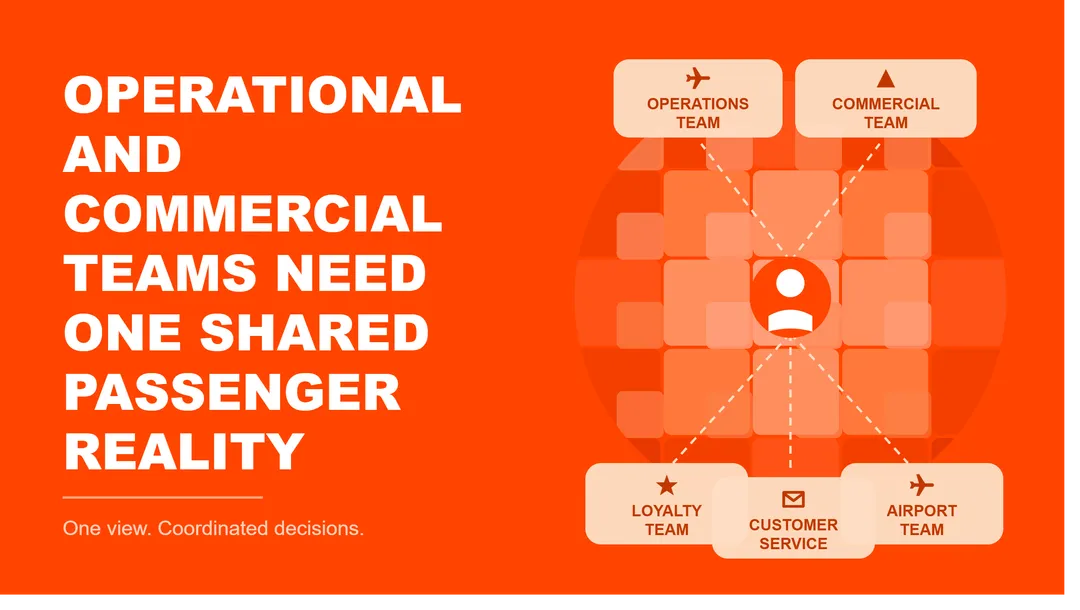
The only way to unlock ancillary revenue potential is establishing a unified customer data foundation that consolidates all customer information, from booking history and loyalty status to behavioral signals and service interactions, under a single customer identity.
A specialized Customer Data Platform (CDP) designed for airlines bridges these gaps by providing complete visibility into every customer interaction. With unified data, marketing teams can deliver hyper-relevant offers at the right moment: a premium seat suggestion during check-in for a frequent business traveler, or a meal package offer for families traveling with children. Revenue management systems gain the complete demand context needed to optimize pricing dynamically, reflecting each customer’s willingness to pay based on their history and current travel context.
The CDP enables real-time activation across all channels. When a customer takes an action, such as booking a flight, checking in online, or calling customer service, the system instantly surfaces the most relevant ancillary opportunities. Customer service agents see not just the booking record, but the complete profile including previous purchases, preferences, and lifetime value, enabling them to offer truly personalized solutions rather than generic upsells.
By closing the loop between customer feedback and data systems, airlines continuously improve their understanding of what each passenger values. When a customer mentions in a post-flight survey that they would have purchased a specific service, that preference is recorded and used to inform future offers. This creates a virtuous cycle where data quality improves over time, and personalization becomes increasingly sophisticated.
The hidden revenue leak in ancillary sales is not a product or pricing problem. It is a data infrastructure problem. Airlines that invest in a unified CDP will unlock their ancillary potential and build stronger, more profitable customer relationships.