Airlines invest billions in loyalty programs, yet customer satisfaction with these programs often lags. The problem is not the reward structure (travelers still value miles and status) but the inability of the program to deliver on its core promise: a personalized, high-value experience.
The single greatest threat to loyalty is not a competitor’s better offer, but the airline’s own fragmented data infrastructure. When data lives in silos, the loyalty program becomes a hollow shell, unable to recognize or reward the customer at the moments that matter most.
The Loyalty Program’s Broken Promise
A loyalty program promises recognition, priority, and a seamless experience. But when data is fragmented, the customer’s journey is riddled with disconnects:
The Disconnect: A high-tier loyalty member calls customer service about a flight disruption, but the agent only sees the booking record, not the customer’s recent history of high-value ancillary purchases or their previous complaint resolution history. The result is a generic, frustrating interaction.
The Missed Opportunity: A traveler consistently flies a specific route for business, but the marketing team, operating from a separate email database, sends them a generic vacation package offer. The traveler feels misunderstood, and the marketing spend is wasted.
The Inconsistent Experience: The check-in kiosk recognizes the customer’s status, but the in-flight Wi-Fi system requires a separate, manual login because the two systems do not share a unified customer ID. The “priority” experience feels anything but seamless.
These failures are not human errors; they are systemic failures caused by data fragmentation.
The Real Cost of Silos
The cost of data fragmentation goes far beyond customer frustration. It directly impacts the airline’s bottom line:
Data Silo Cost
Impact on Loyalty & Revenue
Wasted Marketing Spend
Generic campaigns sent to the wrong segments, resulting in low conversion rates and high unsubscribe rates.
Inefficient Service Recovery
Agents lack the full context to offer the most appropriate compensation or solution, leading to higher compensation payouts and lower Net Promoter Scores (NPS).
Inaccurate Lifetime Value (LTV)
The finance team cannot accurately calculate the true LTV because ancillary spend, partner revenue, and direct flight revenue are not linked to a single customer profile.
Lost Personalization Revenue
Inability to offer the right product (e.g., a specific seat or meal preference) at the right time, leading to missed ancillary revenue opportunities.
The Solution: A Specialized Customer Data Platform (CDP)
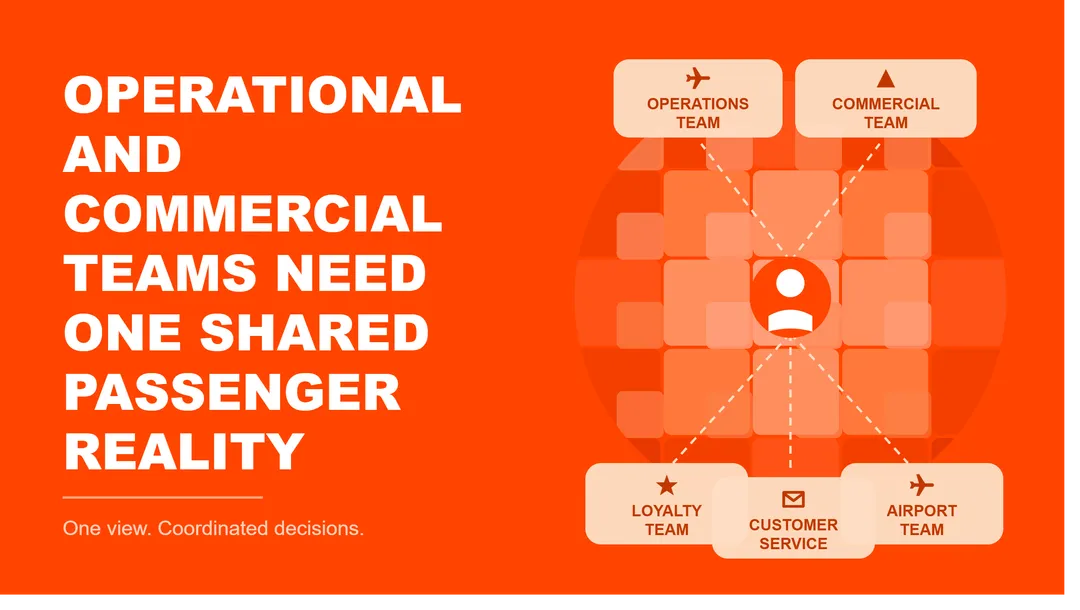
The only way to bridge these gaps is through a specialized Customer Data Platform designed for the complexity of the travel industry. A CDP acts as the Single Source of Truth, unifying all customer data, from flight bookings and loyalty tiers to website clicks and service interactions, under one persistent, unified profile.
This unified view allows the loyalty program to finally deliver on its promise:
Contextual Recognition: Every employee, from the gate agent to the call center representative, sees the full 360-degree view of the customer, enabling them to offer truly empathetic and relevant service.
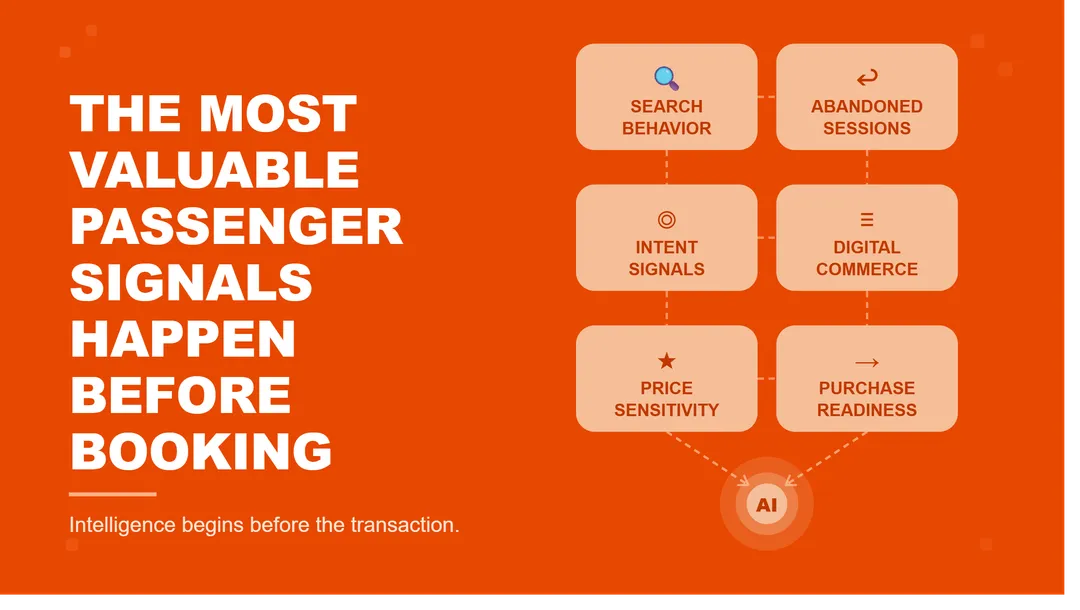
Hyper-Relevant Offers: Marketing can move beyond simple demographics to target customers based on their behavioral intent and real-time context, ensuring every offer is valuable and timely.
Seamless Experience: The unified profile ensures that priority status and preferences are instantly recognized across all digital and physical touchpoints, making the “seamless journey” a reality.
Data fragmentation is the silent killer of loyalty. By investing in a unified data strategy, airlines can transform their loyalty programs from a cost center into a powerful engine for sustainable, profitable customer retention.